


Creating a home workspace that feels both cozy and productive can transform the way you work from home. Whether you are freelancing, managing remote tasks, or simply need a dedicated spot for your projects, having an inviting and efficient environment contributes greatly to your focus and well-being. Here are some helpful tips to design a home office that balances comfort with functionality.
Choose the Right Location
Finding the ideal spot in your home is the first step. Select a space that minimizes distractions and has adequate natural light if possible. A quiet corner, spare room, or a nook by a window can work well. Avoid high-traffic areas to reduce interruptions.
Maximize Natural Light
Natural light helps improve mood and productivity. Position your desk near a window but avoid direct glare on your computer screen. If your workspace lacks natural light, invest in good quality lighting that mimics daylight.
Invest in Comfortable Furniture
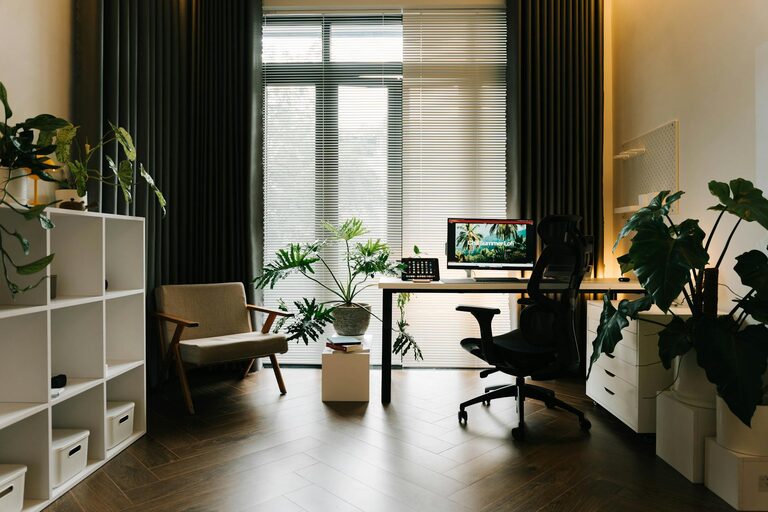
Comfort plays a vital role in staying productive throughout the day. Choose an ergonomic chair that supports your posture and a desk at a comfortable height to avoid strain.
– Ergonomic chair: Adjustable height, lumbar support, and comfortable padding.
– Desk: Enough surface area for your computer, accessories, and space to write or organize materials.
– Footrest: Optional, but can improve circulation if you spend long hours sitting.
Organize Your Space
Clutter can disrupt focus and increase stress. Keep your workspace tidy by having storage solutions that make organization easy.
– Shelves or cabinets: Store books, documents, and supplies neatly.
– Desk organizers: Hold pens, papers, and other small tools.
– Cable management: Use clips or sleeves to reduce tangled wires.
Develop a habit of clearing your desk at the end of each workday to maintain a fresh start.
Personalize Your Workspace
Adding personal touches to your workspace can create a sense of comfort and belonging, making you more motivated.
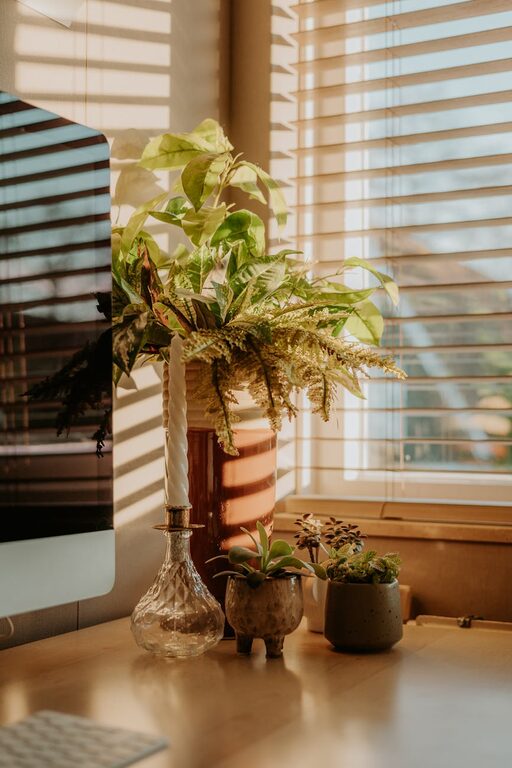
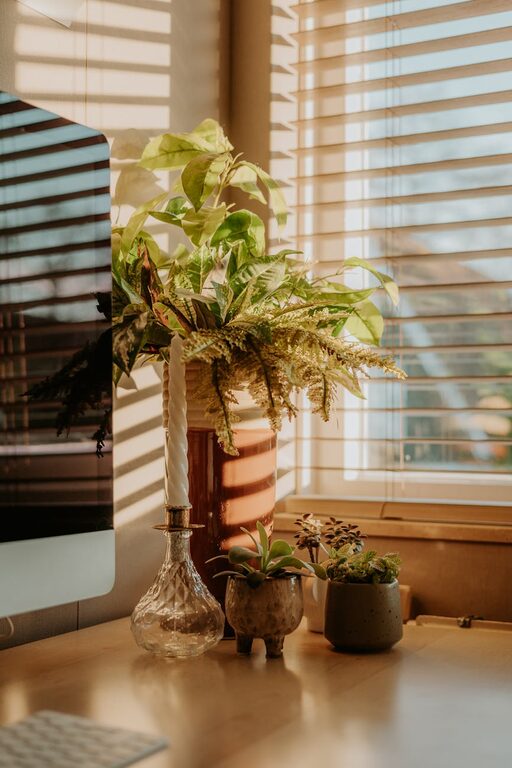
– Plants: Small indoor plants can improve air quality and add a calming effect.
– Decor: Artwork, photos, or inspirational quotes that make you smile.
– Colors: Use colors that soothe you or boost creativity; soft blues, greens, and warm neutrals are popular choices.
Minimize Distractions
Keep potential distractions out of sight and reach. Consider noise-cancelling headphones if your home is noisy. Use apps or tools to block distracting websites during work hours if needed.
Establish a Routine
A consistent daily routine trains your mind to get into “work mode.” Start your day with a morning ritual like making coffee or a short walk before sitting at your desk. Take regular breaks to stretch, rest your eyes, and hydrate.
Use Technology Wisely
Equip your workspace with technology that supports your tasks.
– Reliable internet connection.
– Good quality monitor or laptop screen.
– Keyboard and mouse that are comfortable to use.
– Necessary software and apps organized and updated.
Avoid overloading your space with gadgets or devices that you do not need — simplicity helps maintain focus.
Maintain Good Air Quality
Fresh air increases alertness and health. If possible, open a window regularly or use an air purifier to keep the air in your workspace clean.
Adjust Temperature and Ventilation
Ensure your workspace is not too hot or cold. Use fans, heaters, or air conditioning as needed to maintain a pleasant temperature.
Create Separate Zones if Possible
If your space allows, create zones for different activities. For example:
– A main desk area for computer work.
– A small table or corner for brainstorming, reading, or writing by hand.
– A relaxation spot for short breaks to recharge.
This helps you switch between tasks and reduces monotony.
Final Thoughts
Designing a home workspace that is both cozy and productive enhances your wellbeing and work quality. By selecting the right location, investing in ergonomic furniture, organizing thoughtfully, and personalizing your environment, you create a place where work feels less like a chore and more like a pleasure. Remember that small changes can make a big difference — so start with one or two tips, and gradually build your ideal home office space.