
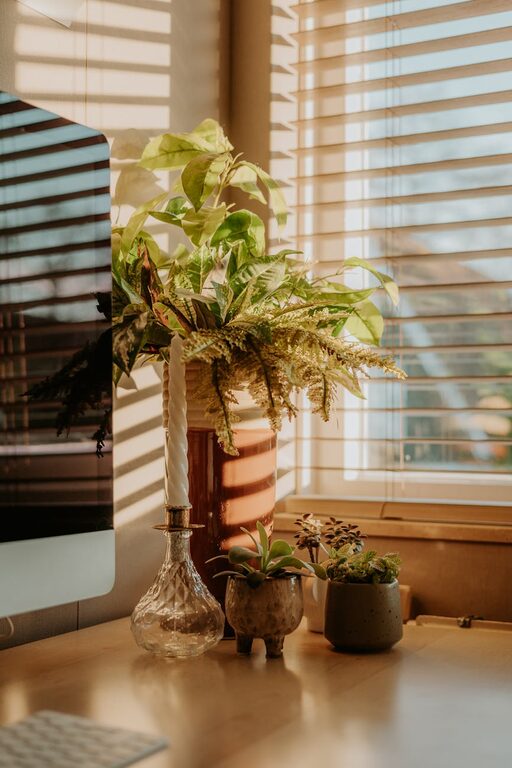

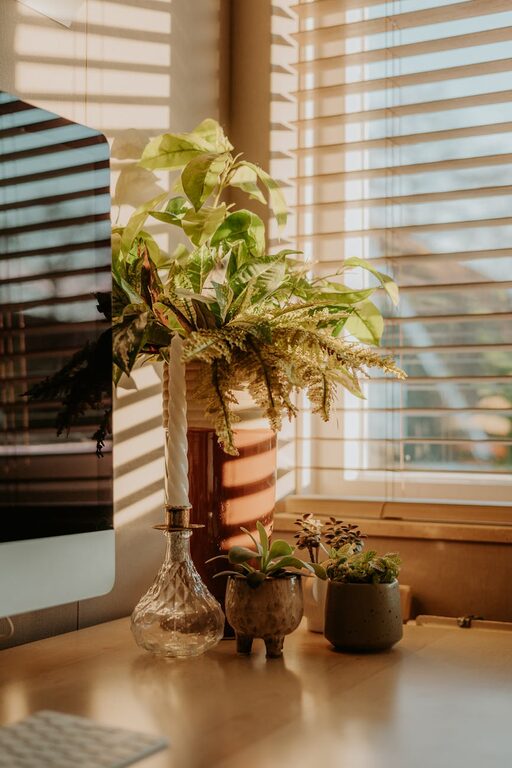
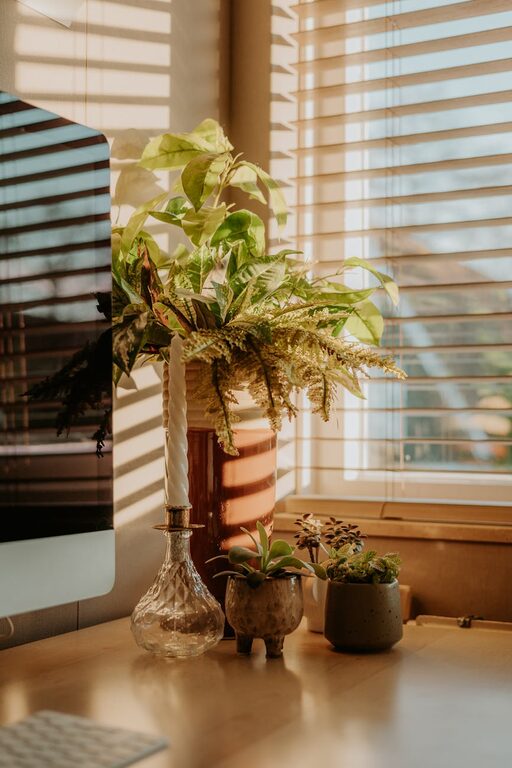

Creating a home office that is both cozy and functional can significantly enhance your work experience. Whether you work from home full-time or need a dedicated place for occasional tasks, a well-designed office space helps boost productivity and reduce stress. In this post, we’ll explore practical tips for designing a home office that feels welcoming and supports your daily tasks effectively.
Choose the Right Location
Selecting the perfect spot for your home office is the first step. Ideally, choose a quiet area with minimal distractions and good natural light. A corner of a living room, a spare bedroom, or even a section of a large dining area can be suitable.
– Look for a space near windows to benefit from daylight — natural light has been shown to improve mood and focus.
– Ensure there is enough room for your essential furniture and movement.
– Consider noise levels; if possible, choose a location away from household traffic or loud appliances.
Invest in Ergonomic Furniture
Comfort is key when you spend long hours working at a desk. Ergonomic furniture helps prevent strain and fatigue.
– Select an adjustable chair that supports your lower back well.
– Choose a desk at a height that allows your arms to rest comfortably while typing.
– If space permits, include a footrest and an adjustable monitor stand to keep your screen at eye level.
Prioritize Good Lighting
Proper lighting reduces eye strain and enhances the atmosphere of your workspace.
– Combine ambient lighting with task lighting, such as a desk lamp, to illuminate your work area.
– Avoid harsh overhead lights that create glare.
– Use light bulbs with a warm color temperature for a cozy feel or neutral white bulbs for a more focused environment.
Organize with Storage Solutions
A clutter-free workspace promotes concentration and efficiency.
– Use shelves, filing cabinets, or storage boxes to keep documents and supplies organized.
– Invest in cable management tools to keep wires neat and out of sight.
– Keep frequently used items within reach and store away less important materials to maintain a clean desk surface.
Incorporate Personal Touches
Adding elements that make your workspace feel uniquely yours can increase comfort and motivation.
– Display photos, artwork, or plants that inspire you.
– Use colorful or textured accessories like rugs, cushions, or curtains to soften the space.
– Personalize your bulletin board or whiteboard with notes and reminders.
Maintain a Consistent Color Scheme
Colors affect mood and productivity, so choose a palette that suits your style and work needs.
– Soft, neutral colors create a calm environment.
– Bright accents like blue or green can stimulate creativity and focus.
– Avoid overly bold or distracting colors that may cause visual fatigue.
Create Zones for Different Activities
If your home office is multifunctional, design specific zones for various tasks.
– Define your primary workspace clearly.
– Include a small area for reading or brainstorming, if space allows.
– Use rugs or furniture arrangements to separate zones visually.
Manage Technology Efficiently
Technology is central to modern work, so setting it up thoughtfully improves functionality.
– Position your computer, printer, and other devices conveniently.
– Use wireless options where possible to reduce clutter.
– Keep charging stations and outlets accessible.
Set Boundaries for Work-Life Balance
A dedicated home office helps separate work from personal life, but setting clear boundaries is essential.
– Use a door or room divider if available to close off your work area.
– Establish regular work hours and stick to them.
– At the end of the day, physically or mentally “shut down” your office space.
Keep It Clean and Refresh Regularly
A tidy environment supports mental clarity and motivation.
– Make a habit of daily or weekly cleaning routines.
– Declutter regularly to avoid build-up.
– Change your setup occasionally to keep the space fresh.
—
Designing your home office with these tips can transform your working environment into a cozy and efficient space. By combining comfort, organization, and personal style, you create an office that supports your productivity and well-being every day. Happy decorating!