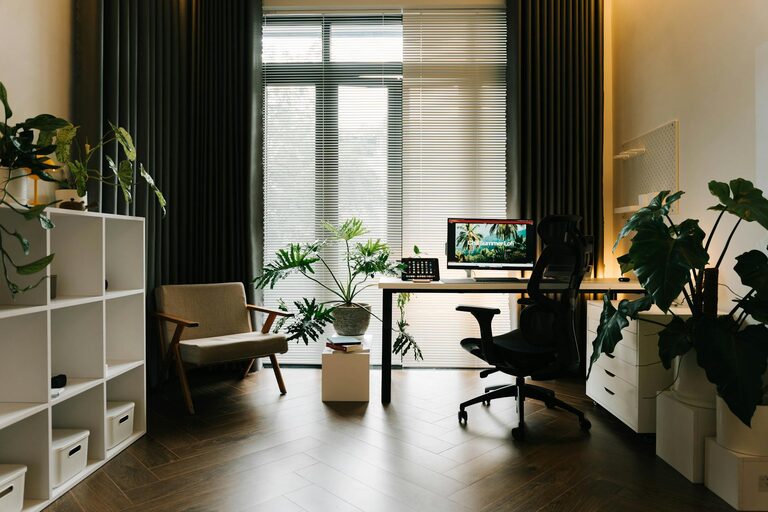
Creating a home office that feels cozy yet fosters productivity can make a significant difference in your work-from-home experience. Whether you have a dedicated room or a small corner, setting up a space tailored to your needs will help improve focus and reduce stress. Here are some helpful tips to design a home office that strikes the perfect balance between comfort and efficiency.
Choose the Right Location
Finding the ideal spot for your home office is the first step. Consider these factors:
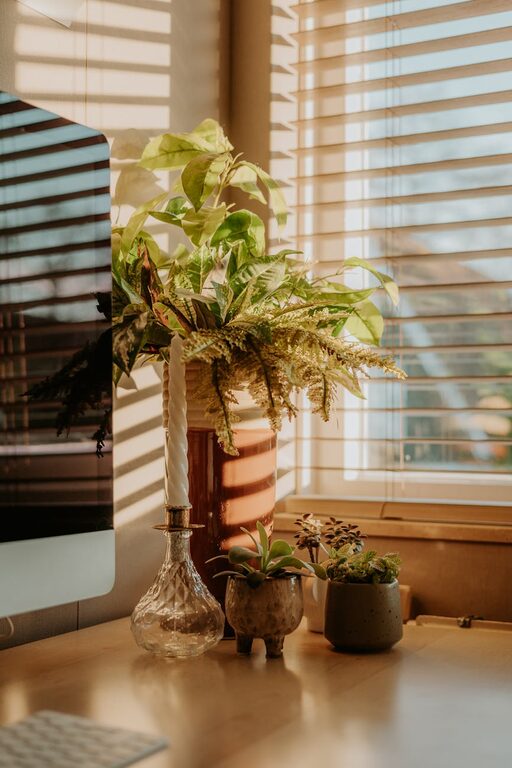
– Natural Light: A space near a window provides daylight, which can boost mood and energy.
– Quietness: Select an area away from household noise or distractions.
– Privacy: If possible, choose a room with a door to create a separation between work and personal life.
Even if you only have a corner in your living room or bedroom, optimizing lighting and minimizing interruptions will make a big difference.
Invest in Comfortable and Functional Furniture
Your furniture plays a key role in comfort and productivity.
– Ergonomic Chair: Choose a chair that supports good posture with adjustable height and back support.
– Desk Size: Pick a desk that fits your needs. It should have enough space for your computer, notebook, and any other essentials.
– Storage Solutions: Shelves, drawers, or filing cabinets help keep your supplies organized and your workspace clutter-free.
Remember, comfort isn’t just about relaxing; it’s about creating a setup that supports long hours of focused work.
Organize and Declutter
A tidy workspace can help reduce stress and improve concentration.
– Keep Only Essentials: Limit the items on your desk to what you use daily.
– Use Organizers: Trays, pen holders, and cable clips keep things in place.
– Regular Clean-Up: Spend a few minutes at the end of each day clearing away clutter.
Less mess means fewer distractions and a clearer mind.
Personalize Your Space
Adding personal touches can make your home office feel welcoming.
– Color Choices: Soft, calming colors can enhance focus, while brighter accents may boost creativity.
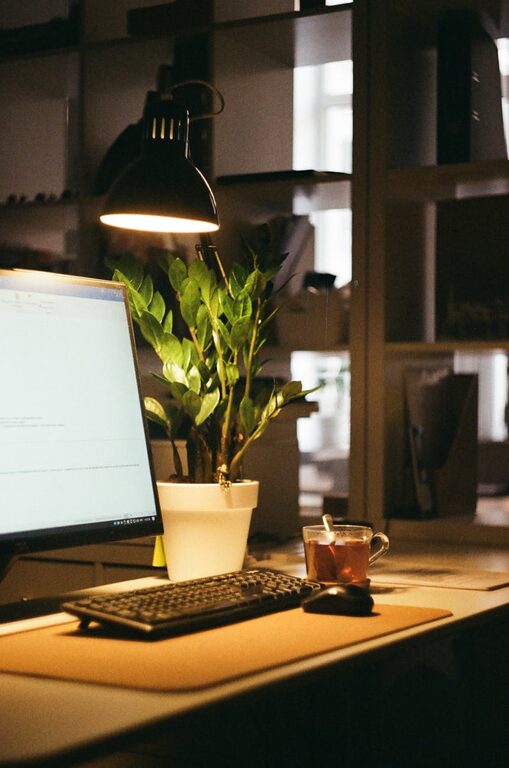
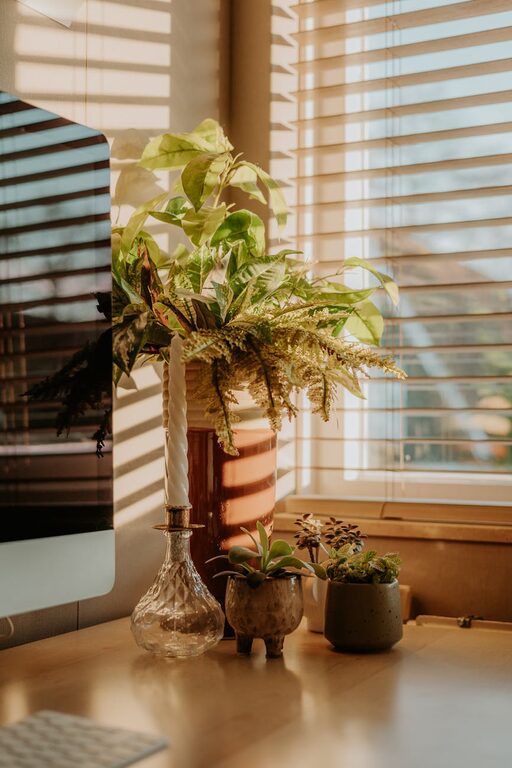
– Decor: Photos, plants, or artwork can make your space inviting without overwhelming it.
– Lighting: Use a desk lamp or string lights to complement natural light and create a warm ambiance.
The goal is to feel comfortable and motivated when you sit down to work.
Optimize Lighting
Proper lighting reduces eye strain and helps maintain alertness.
– Use Natural Light: Position your desk to avoid glare on your screen.
– Task Lighting: A focused lamp can brighten your workspace.
– Avoid Harsh Lights: Soft, diffused lighting is easier on the eyes than bright overhead fluorescents.
Adjust lighting according to the time of day and your comfort.
Manage Technology Efficiently
Your tech setup can either streamline your work or create frustration.
– Reliable Internet: Ensure a strong, stable connection.
– Cable Management: Use clips and sleeves to prevent tangled cords.
– Essential Gadgets: Invest in quality peripherals like a mouse, keyboard, or headset.
Keeping technology organized helps maintain a smooth workflow.
Incorporate Break and Movement Areas
Working from home often means sitting for long periods, so plan for breaks.
– Stretch Space: Keep an area free for stretches or brief exercises.
– Comfort Zones: A nearby cozy chair can serve as a spot for short mental breaks.
Taking regular breaks supports productivity and well-being.
Set Boundaries and Routine
Lastly, creating a productive home office means setting routines.
– Work Hours: Establish clear start and end times.
– Distraction Management: Use signals (like a closed door or headphones) to indicate you’re busy.
– Keep Work and Personal Separate: When your workday is over, step away to maintain balance.
A structured routine helps maintain focus during work and relax afterward.
—
Designing a cozy and productive home office doesn’t require a large budget or space. Thoughtful choices about location, furniture, organization, lighting, technology, and routines can transform your workspace into a place where you enjoy spending your time and get your work done effectively. Start with small changes and adjust your setup to find what works best for you.