

Creating a productive home office environment is essential for anyone working remotely or running a business from home. A well-designed space can improve motivation, reduce distractions, and increase overall work satisfaction. In this post, we’ll explore practical tips that help you build a home office setup that supports productivity and comfort.
Choose the Right Location
Consider natural light and noise levels
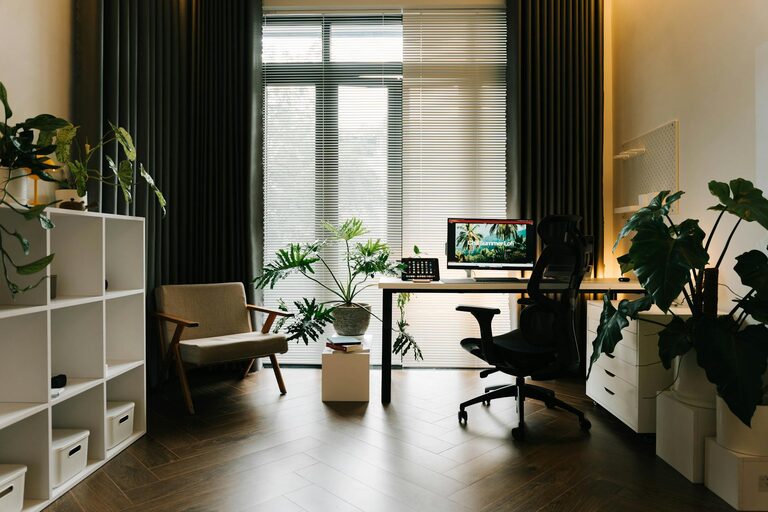
Pick a spot in your home that has ample natural light. Sunlight not only brightens the space but also helps regulate your circadian rhythm, improving alertness. Avoid areas with constant noise or high foot traffic to minimize disruptions.
Ensure privacy and comfort
Find a quiet corner or a separate room where you can work without interruptions. A private space helps establish boundaries between work and home life, leading to better focus during working hours.
Invest in Quality Furniture
Select an ergonomic chair and desk
Comfort is key to productivity. Choose an adjustable chair that supports your back and promotes good posture. Your desk should be spacious enough for all your essentials and at a comfortable height.
Add storage solutions
Keep your office organized with shelves, drawers, or filing cabinets. Having everything in its place reduces clutter and makes it easier to find important documents or supplies quickly.
Optimize Your Technology Setup
Use reliable hardware and software
A fast computer and a stable internet connection are vital for seamless remote work. Make sure your software is up to date and tailored to your tasks, enhancing efficiency.
Manage cables and accessories
Organize cables with clips or sleeves to prevent tangling. Use accessories like external keyboards, monitors, or mouse devices to create a more comfortable and efficient workstation.
Control Lighting and Ambiance
Balance natural and artificial light
While natural light is preferred, supplement it with adjustable desk lamps or overhead lighting. Avoid harsh glare on screens by positioning lights thoughtfully.
Add personal touches
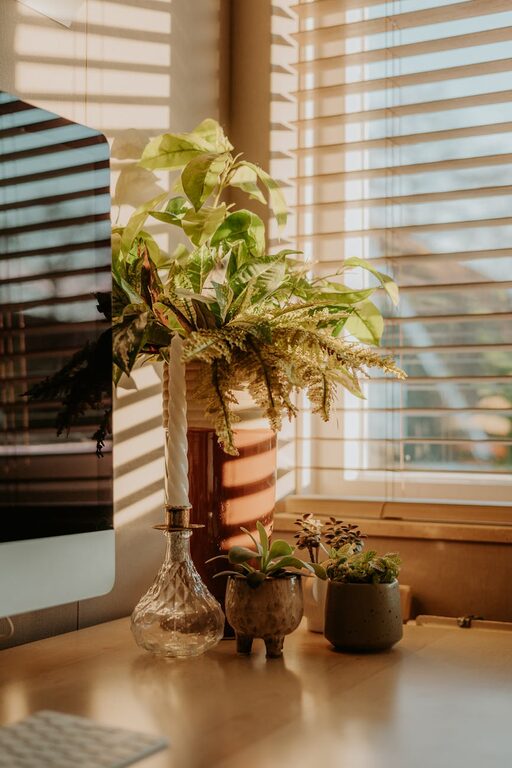
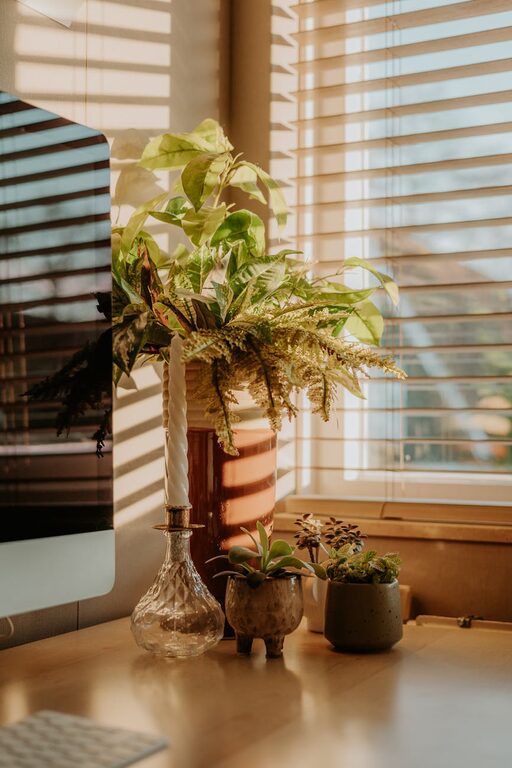
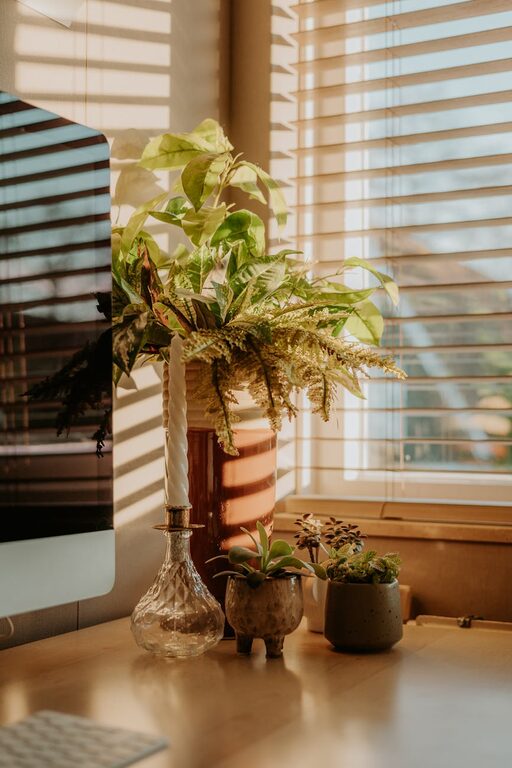
Decorate your office with plants, artwork, or items that inspire you. These elements can boost creativity and make your workspace more inviting.
Minimize Distractions
Implement boundaries with household members
Communicate your work schedule clearly to family or housemates. Setting expectations helps reduce interruptions and respects your work time.
Limit digital distractions
Use apps or browser extensions to block distracting websites during work hours. Mute non-urgent notifications and designate specific times to check emails or messages.
Maintain a Clean and Organized Space
Develop a daily tidying habit
Spend a few minutes each day clearing your desk and organizing papers. A clean environment is conducive to clear thinking and efficiency.
Schedule regular deep cleanings
Once a week, take time to dust, vacuum, and sanitize your workspace. This practice keeps your office comfortable and welcoming.
Establish a Routine and Take Breaks
Create a consistent schedule
Structure your day by starting and ending work at the same time each day. Regular routines help build discipline and separate work from personal time.
Incorporate movement and rest
Take short breaks to stand, stretch, or walk around. Physical movement refreshes the mind and reduces fatigue.
Conclusion
Designing a productive home office environment involves thoughtful consideration of location, furniture, technology, lighting, and habits. By implementing these tips, you can create a workspace that supports focus, efficiency, and well-being. Remember, the best home office is one tailored to your needs and encourages you to do your best work every day.